
Fornir Decoflex
5 wariantów, grubości: 0,6 mm. Wycinanie na formatach P1–P3 i Q, cena na żywo podczas projektowania.
- Cięcie laserowe
- Grawer wektorowy
- Grawer rastrowy
kerf
Laser odparowuje materiał — szczelina cięcia ma różną szerokość w zależności od materiału i grubości. Cięcie przebiega środkiem narysowanej linii; w produktach shape.tools uwzględniamy kerf automatycznie w Twoich wymiarach.Więcej w słowniczku →formatach płyt P1–P3 i Q
Nasze cztery formaty płyt: P1 = 181 × 181 mm, P2 = 384 × 384 mm, P3 = 790 × 384 mm, Q = 900 × 450 mm. Twój projekt musi zmieścić się na jednej z płyt. Dla wyobrażenia skali: okładka płyty winylowej mieści się między P1 a P2.Więcej w słowniczku →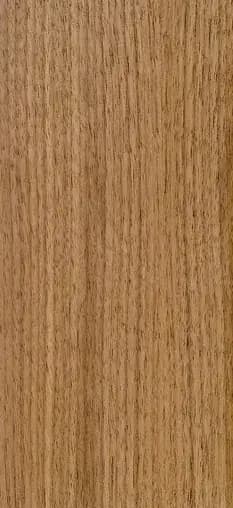
Tak lasruje się Fornir Decoflex
Ustandaryzowane zdjęcia prawdziwego materiału — te same motywy, to samo światło, żeby dało się porównywać materiały.
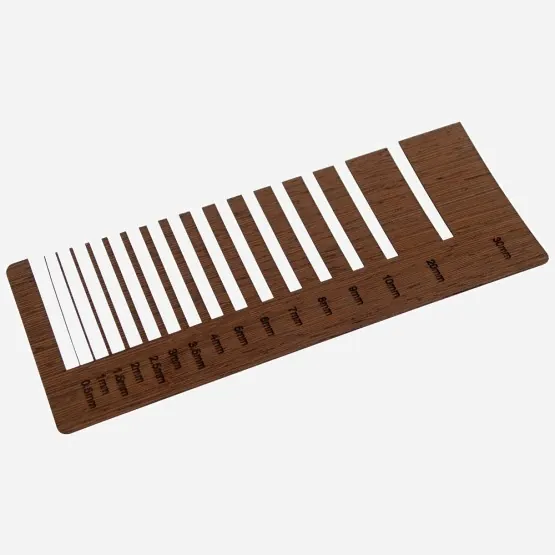
Przykłady cięcia 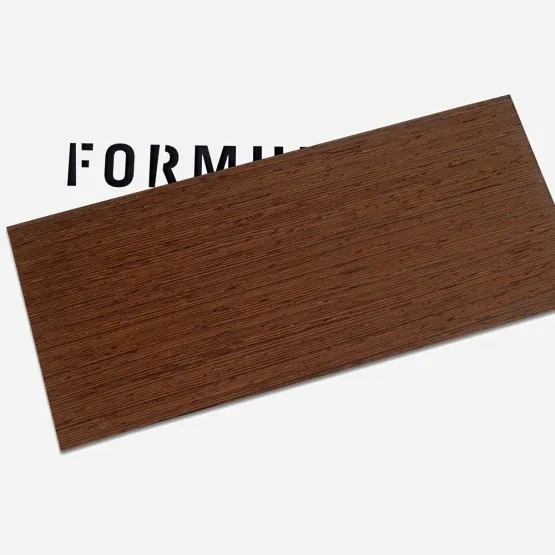
Przezroczystość 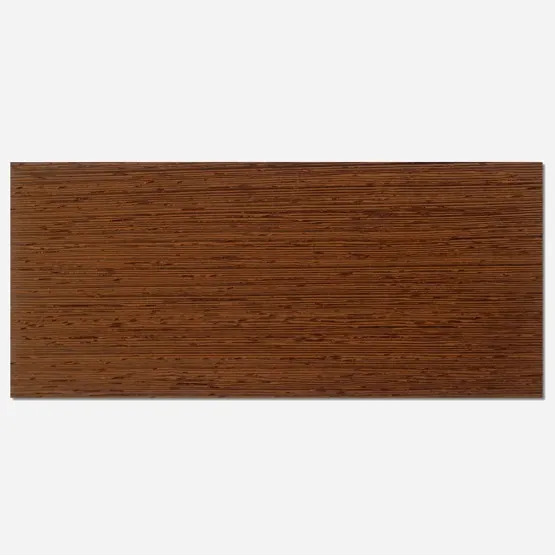
Widok z góry 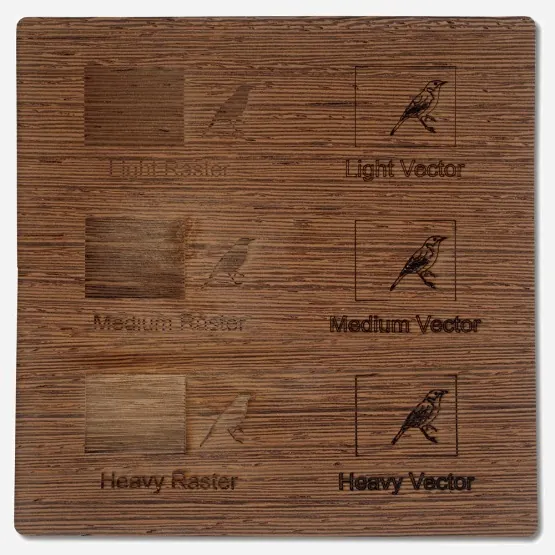
Grawery 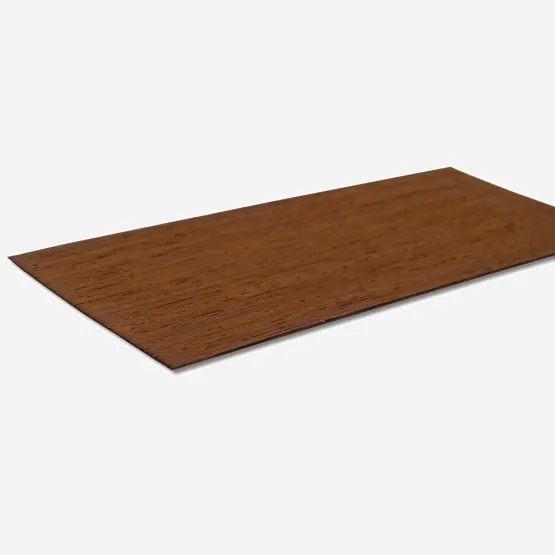
Krawędzie cięcia
grawer rastrowy
Laser wypełnia powierzchnię wiersz po wierszu — jak drukarka. Idealny do logotypów i motywów powierzchniowych. W Twoim pliku: powierzchnie wypełnione czernią, RGB(0, 0, 0).Więcej w słowniczku →grawer wektorowy
Laser prowadzi wiązkę wzdłuż linii i graweruje ją w materiale — precyzyjnie, idealnie do delikatnych konturów. W Twoim pliku: czerwone linie włosowe, RGB(255, 0, 0).Więcej w słowniczku →Warto wiedzieć
Opis
Decoflex to fornir z prawdziwego drewna na specjalnym nośniku papierowym. Jest „łamany” równolegle do włókien tak, że nie widać tego na powierzchni — dzięki temu wzdłuż włókien jest ekstremalnie elastyczny i okleja także okrągłe formy (minimalny promień ok. 5 mm). W poprzek włókien sztywność zostaje zachowana, przy mniejszej skłonności do odpryskiwania.
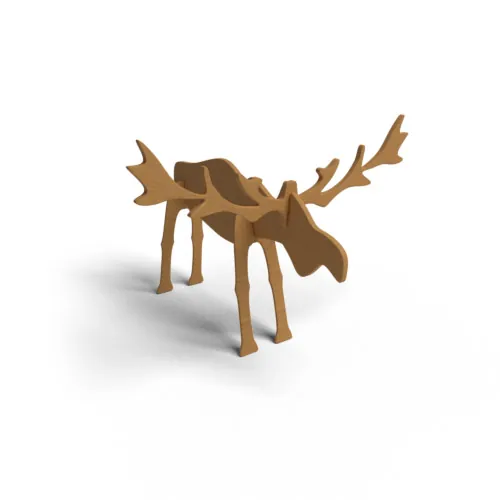
Oprócz powierzchni giętych i płaskich Decoflex sprawdza się też solo: jako okładka książki, w modelarstwie, na biżuterię i akcesoria, na przykład podkładki na stół.
Tylna strona to brązowy papier specjalny w przybliżonym odcieniu forniru. Klejenie odpowiada normie E1 i jest wodoodporne — mimo to Decoflex nie nadaje się na zewnątrz.
Obróbka
Decoflex można naklejać na najróżniejsze powierzchnie. Bez prasy do fornirów weź wysokiej jakości klej kontaktowy; z prasą działa klej PVA lub klej formaldehydowy. W obu przypadkach: nie oszczędzaj na kleju.
Dla idealnej powierzchni przeszlifuj fornir przed lakierowaniem jeszcze raz drobnym papierem — i lakieruj wyłącznie lakierem na bazie rozpuszczalnika, nigdy wodorozcieńczalnym.
Mostki
Dla tego materiału generalnie zalecamy małe mostki: przerwij kontur cięcia na co najmniej 0,5–0,8 mm. Przy małych elementach poniżej 15 × 15 mm i elementach filigranowych mostki są niezbędne — wszystkie części pozostają bezpiecznie w reszcie płyty, aż do Ciebie dotrą.
Warianty i ceny płyt
Kategoria: Drewno
| Kolor / wykończenie | Grubość | P1 (181 × 181 mm) | P2 (384 × 384 mm) | P3 (790 × 384 mm) | Q (900 × 450 mm) |
|---|---|---|---|---|---|
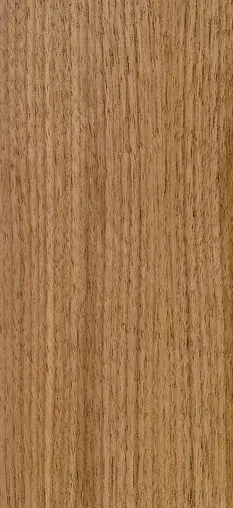 orzech amerykański orzech amerykański | 0,6 mm | 4,20 € | 15,90 € | 24,80 € | 33,11 € |
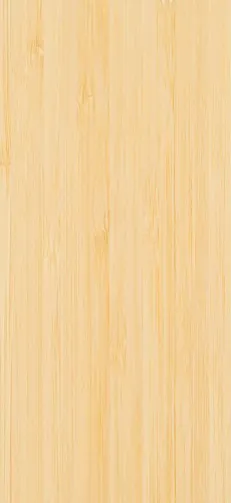 bambus naturalny (paski) bambus naturalny (paski) | 0,6 mm | 4,90 € | 17,90 € | 27,91 € | 37,26 € |
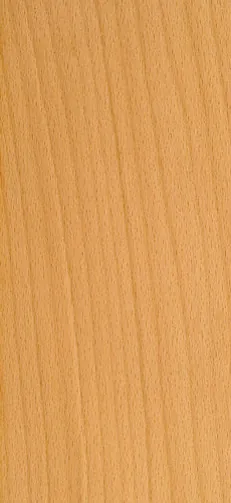 buk europejski buk europejski | 0,6 mm | 3,40 € | 11,80 € | 19,80 € | 26,44 € |
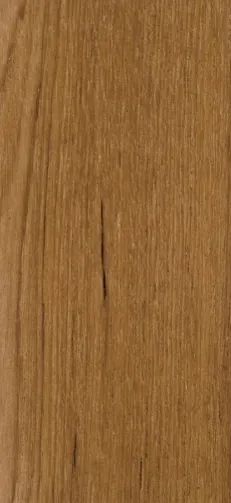 teak (słoje płomieniste) teak (słoje płomieniste) | 0,6 mm | 5,90 € | 18,90 € | 34,80 € | 46,46 € |
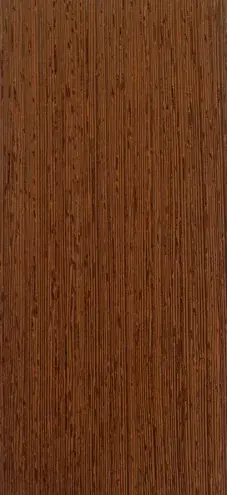 wenge wenge | 0,6 mm | 5,90 € | 22,88 € | 36,90 € | 49,27 € |
Ceny płyt z VAT. Twój wycinek kosztuje płytę plus czas pracy lasera — stałą cenę zobaczysz na żywo podczas przesyłania pliku lub modelowania.
Krótko
W jakich grubościach dostępny jest Fornir Decoflex?
0,6 mm — 1 grubości w 5 wariantach koloru i wykończenia. Grubość wybierasz podczas projektowania; wpływa na cenę i czas cięcia.
Na jakich formatach płyt tniecie?
Na czterech formatach: P1 181 × 181 mm, P2 384 × 384 mm, P3 790 × 384 mm, Q 900 × 450 mm. Twój projekt musi zmieścić się na jednej z tych płyt — większe obiekty dzieli się na kilka części.
Ile kosztuje Fornir Decoflex?
Płyta kosztuje od 3,40 € (P1), 11,80 € (P2), 19,80 € (P3) i 26,44 € (Q), z VAT. Płacisz za cięcie: powierzchnia, długość cięcia, grawer, przygotowanie i wysyłka — policzone, zanim złożysz zamówienie.
Czy Fornir Decoflex można grawerować?
Tak, zarówno grawerem wektorowym, jak i rastrowym. W pliku to kolor steruje laserem: cienkie czerwone linie są grawerowane jako linia, czarne wypełnione powierzchnie jako pole.
Czy Fornir Decoflex można giąć?
Nie. Fornir Decoflex nie da się giąć w naszym procesie, dlatego narzędzie „Gięcie” nie jest dostępne dla tego materiału. Giąć można akryl do 6 mm (bez lustrzanego), PET-G i polipropylen.
Czy dostanę całą płytę?
Nie. Dostajesz swoje wycięte elementy, nie resztę płyty. Cena płyty to podstawa kalkulacji, nie zakres dostawy.
Wiedza o tym materiale
- Jaki materiał wytrzyma na zewnątrz
Uczciwa macierz przydatności naszej oferty: co znosi UV, deszcz i mróz — a co po jednej zimie jest bezużyteczne.
- Jak prawidłowo uwzględnić szczelinę cięcia
Dlaczego wycinane laserem połączenia na czop luzują się, choć rysunek jest poprawny — i jak skompensować szczelinę cięcia w pliku.
- Jaka grubość materiału
Dlaczego 3 mm to standard, kiedy potrzebne jest 5 mm i dlaczego grubszy materiał kosztuje nieproporcjonalnie więcej.
Jak chcesz projektować?
Masz już plik? Prześlij go, daj sprawdzić i zobacz cenę.
Rysuj bezpośrednio w przeglądarce — każdą linię można ciąć, grawerować lub znakować.