
Leather (cowhide)
4 variants, thicknesses: 1.5 / 3.5 mm. Cut on the P1–P3 and Q formats, price shown live while you design.
- Laser cutting
- Vector engraving
- Raster engraving
kerf
The laser vaporizes material — the cutting gap varies with material and thickness. Cuts run centered on the drawn line; for shape.tools products we factor the kerf into your dimensions automatically.More in the glossary →P1–P3 and Q sheet formats
Our four sheet formats: P1 = 181 × 181 mm, P2 = 384 × 384 mm, P3 = 790 × 384 mm, Q = 900 × 450 mm. Your design has to fit on one of the sheets. For scale: a vinyl record cover sits between P1 and P2.More in the glossary →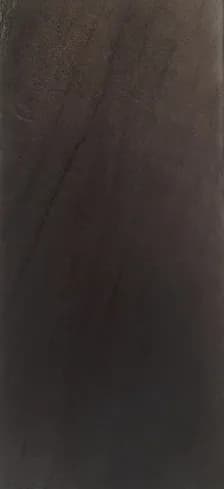
How Leather (cowhide) lasers
Standardised photos of the real material — same motifs, same light, so you can compare materials.
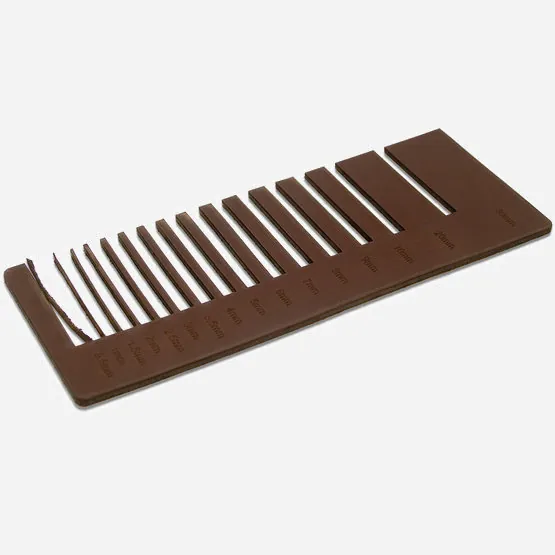
Test cuts 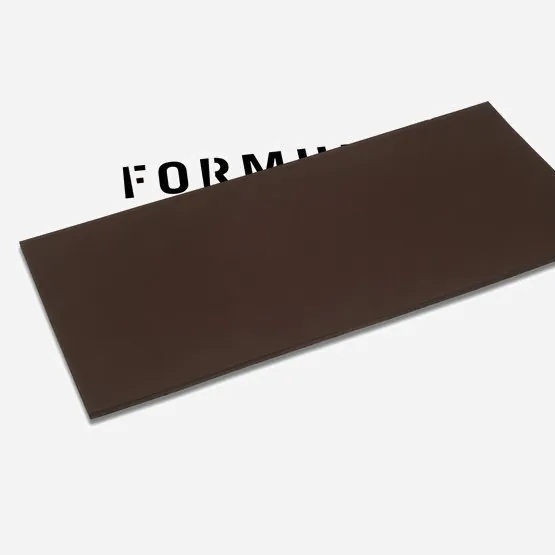
Transparency 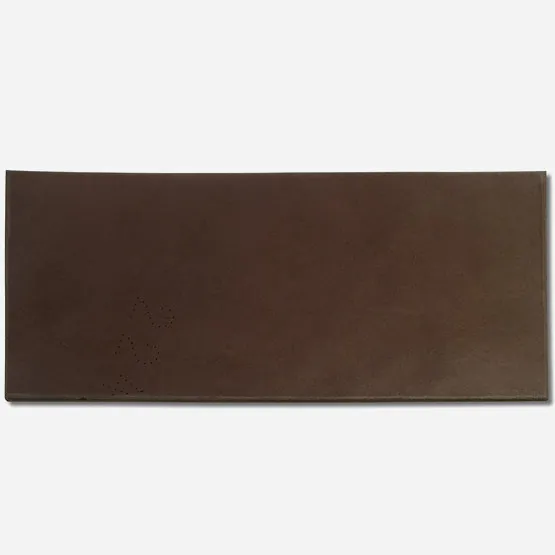
Top view 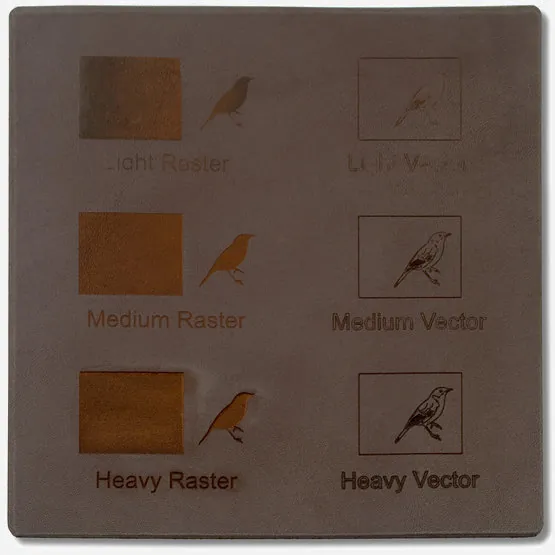
Engraving 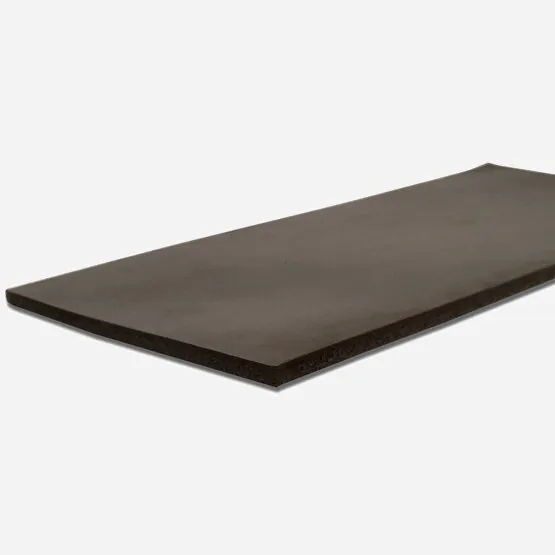
Cut edges
raster engraving
The laser fills an area line by line — like a printer. Ideal for logos and larger motifs. In your file: black filled areas, RGB(0, 0, 0).More in the glossary →vector engraving
The laser traces a line and engraves it into the material — precise, ideal for fine contours. In your file: red hairlines, RGB(255, 0, 0).More in the glossary →Good to know
Description
Unembossed cow neck leather — every piece is unique: thickness, colour and grain always vary a little.
The dyed leather has one smooth, firm side; the back feels like suede. Dyeing lets you shift the tone, oiling boosts water resistance. Small natural variations in colour and texture are part of the character.
The leather is tanned and dyed in accordance with EU directives.
Lasering
Lasering produces a sharp smell that fades quickly. Worn a few times, key fobs, bracelets and wallets develop a lovely patina. Any soot marks on the surface wipe off with a damp microfibre cloth.
Tip: laser-cut holes make hand-stitching dramatically easier.
Uses & joining
Typical: key fobs and bag charms, bracelets, belts, picture frames, labels of every kind, bookbinding, equestrian gear and crafts. Leather joins with rivets and all manner of sewing techniques.
Variants & sheet prices
Category: Other materials
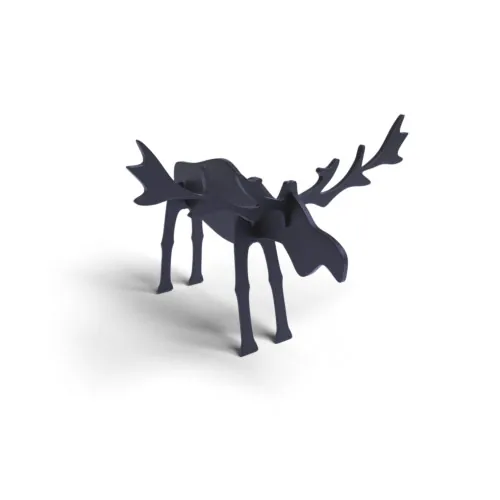
| Color / finish | Thickness | P1 (181 × 181 mm) | P2 (384 × 384 mm) | P3 (790 × 384 mm) | Q (900 × 450 mm) |
|---|---|---|---|---|---|
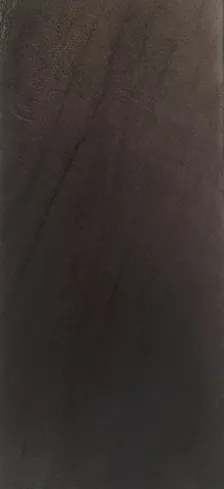 black black | 3.5 mm | €10.90 | €39.81 | €72.80 | €97.20 |
brown | 3.5 mm | €10.90 | €39.81 | €72.80 | €97.20 |
 natural natural | 1.5 mm | €10.90 | €39.81 | €72.80 | €97.20 |
| natural | 3.5 mm | €10.90 | €39.81 | €72.80 | €97.20 |
Sheet prices incl. VAT. Your cut costs sheet plus laser time — you see the fixed price live when uploading or modelling.
Quick answers
Which thicknesses does Leather (cowhide) come in?
1.5 / 3.5 mm — 2 thicknesses across 4 variants of colour and finish. You pick the thickness while designing; it drives both price and cutting time.
Which sheet sizes do you cut on?
Four formats: P1 181 × 181 mm, P2 384 × 384 mm, P3 790 × 384 mm, Q 900 × 450 mm. Your design has to fit one of these sheets — larger objects get split into several parts.
What does Leather (cowhide) cost?
A sheet starts at €10.90 (P1), €39.81 (P2), €72.80 (P3) and €97.20 (Q), each including VAT. What you pay for is the cutting: area, cutting length, engraving, setup and shipping — calculated before you order.
Can Leather (cowhide) be engraved?
Yes, both as vector engraving and as raster engraving. In your file the colour drives the laser: red hairlines are engraved as lines, black filled areas as surfaces.
Can Leather (cowhide) be bent?
No. Leather (cowhide) cannot be bent with our bending process, so the “Bend” tool is not offered for this material. Acrylic up to 6 mm (except mirror), PET-G and polypropylene can be bent.
Do I get the whole sheet?
No. You receive your cut parts, not the rest of the sheet. The sheet price is the basis for the calculation, not the scope of delivery.
Knowledge for this material
- Allowing for kerf
Why laser-cut tab joints wobble even though the drawing is correct — and how to compensate for the kerf in your file.
- Which material thickness
Why 3 mm is the standard, when 5 mm becomes necessary and why thicker material costs disproportionately more.